
Personal Objective
My personal goal for this project was to elevate the perception and importance of UX design within AusNet. By applying a systematic, user-centered design framework based on research and testing, I aimed to showcase the value of UX and ensure that the redesign of the application process was both efficient and aligned with users’ needs.
The Challenge
The existing paper forms were extremely complex, filled with engineering terminology that was difficult for the average user to understand. Many forms submitted by customers were incomplete, incorrect, or missing critical information, causing delays in the process.
How Might We?
- Create: A simplified and efficient connection request form and portal.
- For: Technical and non-technical users, ensuring ease of use for all.
- To: Allow users to apply for a connection with minimal friction, ensuring a seamless experience.
- So That: Customers can connect to AusNet’s power network without delays, confusion, or errors.
Design Phase
Collaboration: I collaborated closely with product owners, stakeholders, and the development team to ensure that all perspectives were considered throughout the design process. Regular check-ins and reviews helped keep everyone aligned and avoided miscommunication.
Low-Fidelity Prototypes: I began by sketching low-fidelity wireframes and sharing these with stakeholders for early feedback. This allowed us to identify usability issues and refine the design before moving to high-fidelity prototypes.
Iterate & Test: Throughout the design process, I continuously iterated based on feedback from both internal stakeholders and external users. I conducted user testing with actual customers (access seekers) where possible, and used corridor testing as a fallback. This iterative approach ensured that the final design was both user-friendly and efficient.
High-Fidelity Designs: Once the design was refined, I created high-fidelity prototypes using HTML, CSS, and JavaScript. These designs were shared with stakeholders for final feedback before implementation.
Impact & Results
EnergyConnect, the final product, was launched in May 2020. It significantly improved the efficiency of the application process and enhanced the user experience for both B2C and B2B customers. Some key outcomes included:
- A 35% reduction in incomplete or incorrect applications, thanks to clearer forms and instructions.
- A 20% increase in the number of applications submitted through the digital portal, demonstrating improved user engagement.
- Positive feedback from both B2C and B2B users, with many highlighting the ease of use and clarity of the new system.
Conclusion
The redesign of AusNet’s connection process was a transformative project that not only improved internal efficiency but also significantly enhanced the user experience for customers. By applying user-centered design principles, collaborating with stakeholders, and focusing on simplicity, we were able to deliver a product that met the needs of all users, from first-time residential customers to seasoned business professionals. The success of this project demonstrated the importance of UX in driving meaningful change within an organisation.
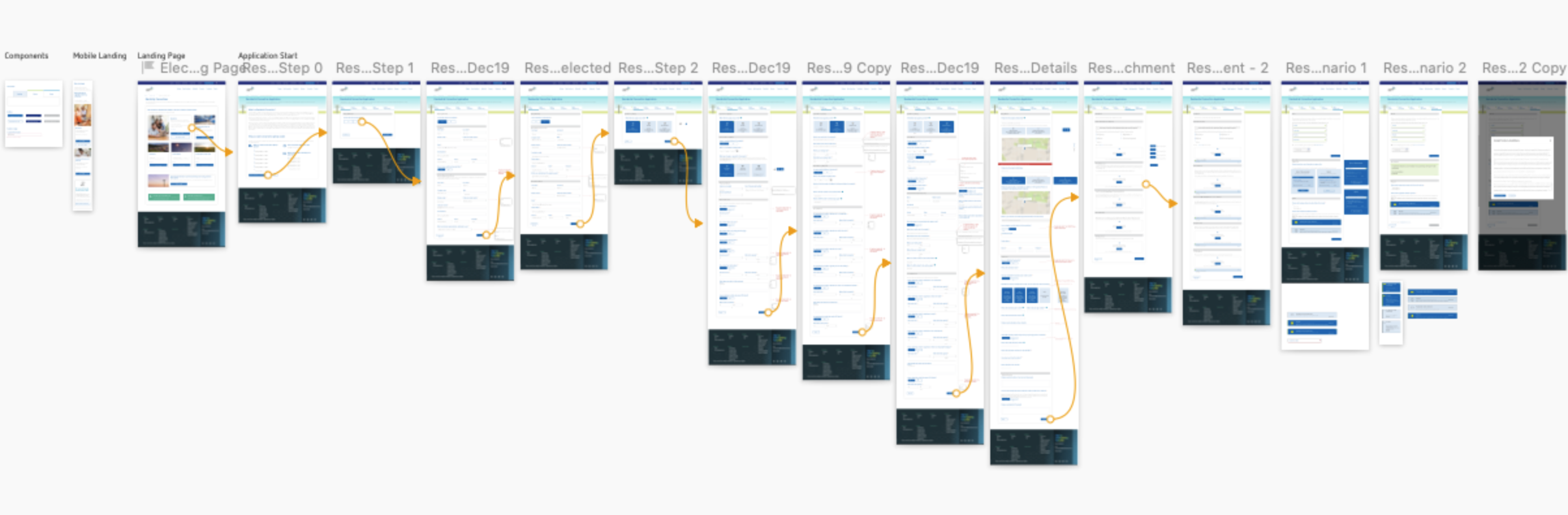
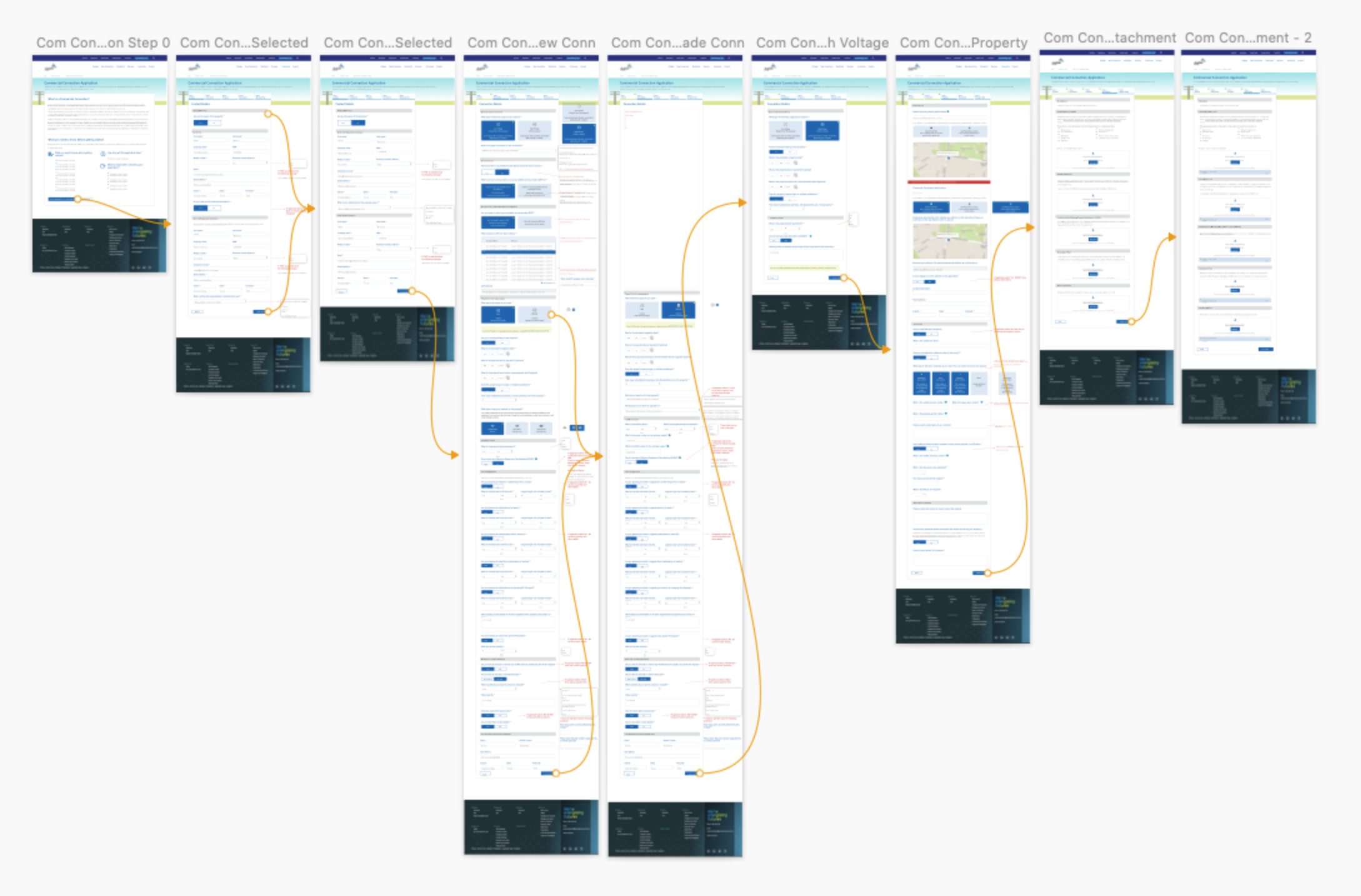
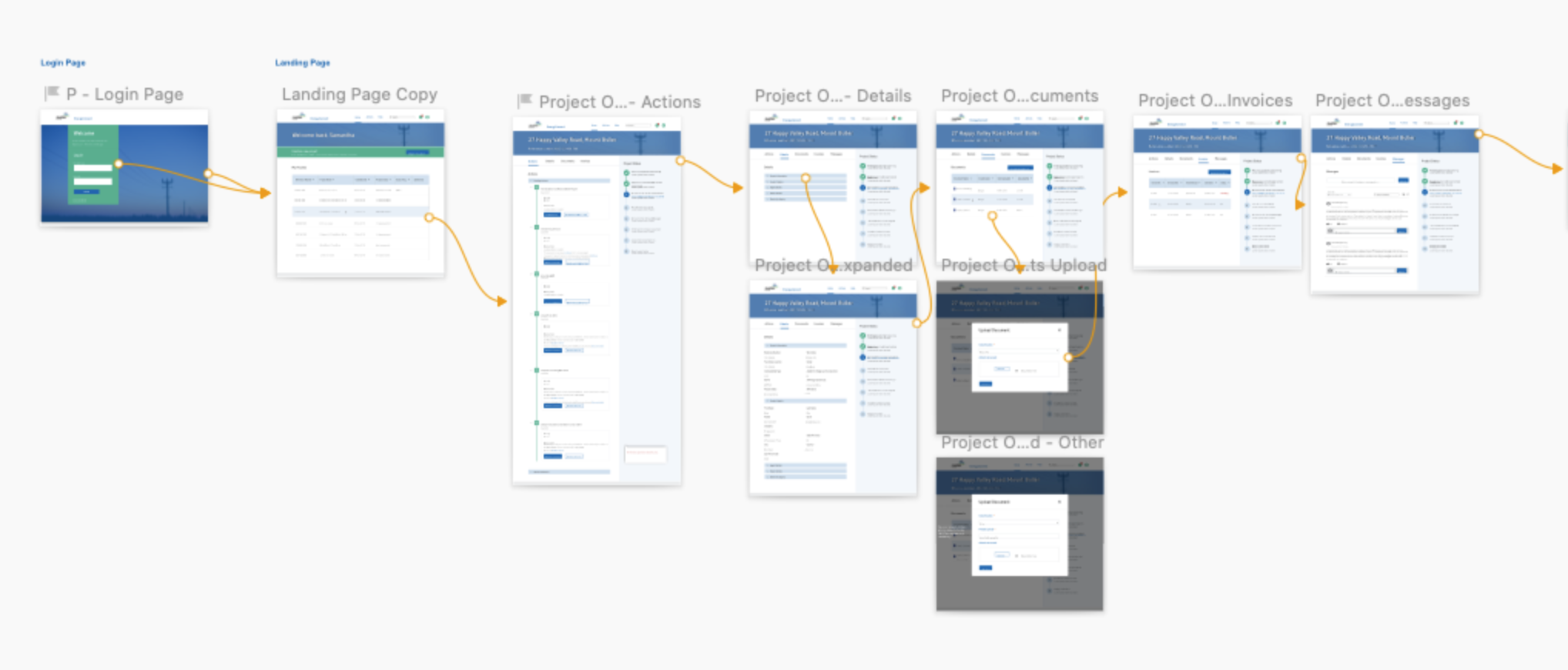
EnergyConnect has launched in May 2020. The product is being used by B2C and B2B customers.
Check out the live version by clicking the buttons below: